

How has open banking helped small businesses?


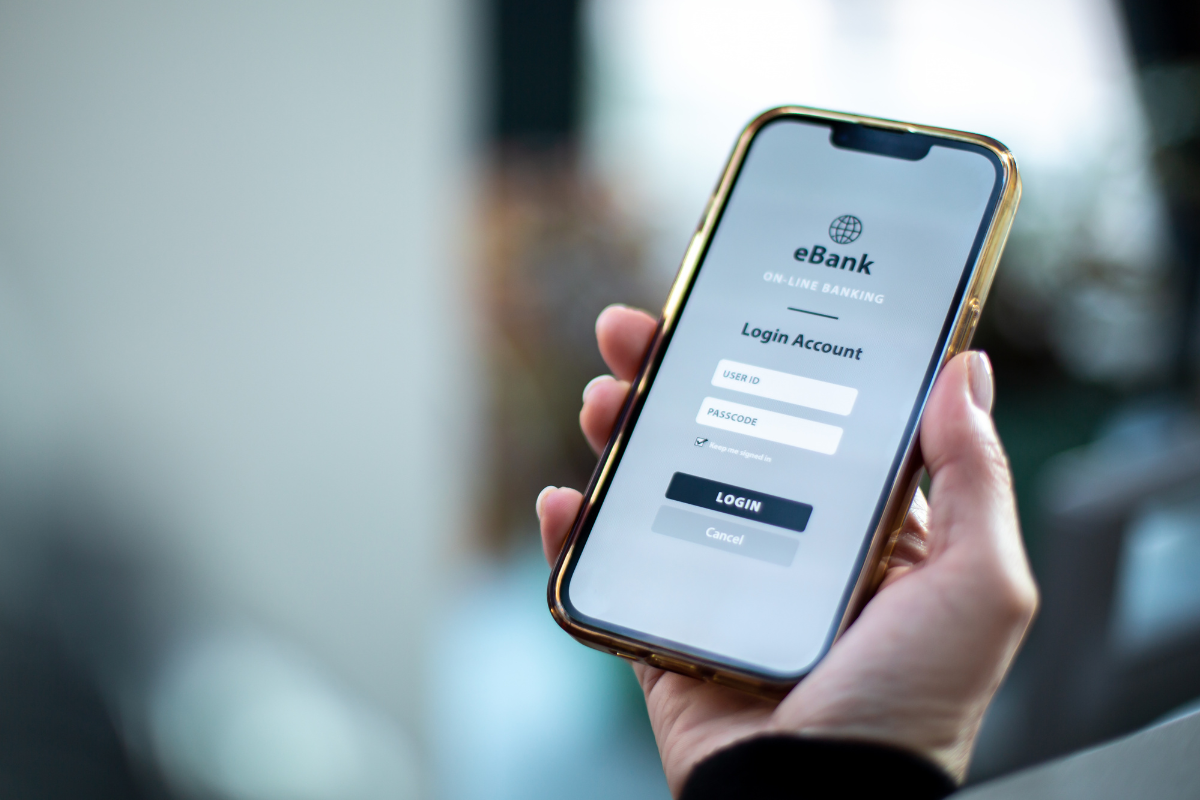
Open banking is a framework that allows users to share their banking information with the financial technology company of their choice. Open banking is an integral part of the fintech world. Whether you’re syncing your data with an app like Plaid, Flinx, or even Venmo, these technologies link directly to your bank account. If you think of your bank as a locked room, open banking is the key that lets you share its contents with other parties.
Open banking has a lot of benefits. Small businesses stuck with financial bottlenecks like slow lending decisions, day to day bookkeeping and paperwork heavy compliance can all benefit from the simplicity and ease of open banking tools. When businesses share their financial information (with consent) directly with interested parties, the result is real time access to financial data.
Open Banking Helps Small Businesses Access Capital
While traditional lending is often slow and paperwork heavy, open banking technologies make the process happen in real time. Lenders seeking security and transparency into financial information would prefer detailed, granular access into the business’ finances – not snapshots that can already be outdated by the time the lending decision is made. Open banking gives lenders a more secure peek into financial data, which ultimately leads to more flexible lending and faster processing.
Open banking also leads to more lending for small businesses, especially the ones traditional banks ignore. With cash-flow based lending tools (Shopify Capital, for example) small businesses without long credit histories can access funds on the basis of their sales. This is especially useful for seasonal business, ecommerce stores, and businesses with fluctuating revenues. It also reduces fraud – since open banking frameworks typically require robust customer authentication, encrypted data transferring, real time monitoring, and regulated access, fraud detection models become more sophisticated and access becomes safer.
Open Banking Increases Competition (and Lowers Fees!)
Since open banking lowers barriers to entry for new financial services providers, more open banking also helps lower fees. As more flexible, more specialized, and cheaper foreign exchange rates and cross border transactions appear in the market, everybody benefits – businesses move more data, providers compete on value, and consumers gain access to cheaper services that they need.
These services often happen in real time – so instead of reconciling accounts manually, small businesses can automate reconciliation with their accounting software weekly, monthly, or even daily, and view their cash positions and liquidity in real time. Small businesses often do not have an accounting team yet, and open banking makes it cheaper, faster, and easier to support owners and founders, for fewer tax season surprises.
Open banking also offers more options for customers. Products like Vennmo or CashApp allow customers to send account-to-account (A2A) payments all around the world, bypassing traditional banking or credit card rails. For small businesses, this can end up reducing your chargebacks, settling payments faster, and lowering transaction costs.
Open Banking Means More Opportunity for Small Businesses and Brands
Open banking tools allow the user to explore a wide variety of financial options. From speedy accounting to greater options for loans and better rates for foreign exchange, the average small business benefits from opening up the market for financial tools. As fintech technologies mature, businesses will increasingly leverage these tools – to the benefit of the business and its customers!



.png)
.png)
.png)






.png)

.png)
.png)
.png)
.png)
.png)

%20Platforms.png)


.png)
.png)


Unstructured data can easily be indexed, sorted, filtered, and analyzed by Discrepancy AI
Start for Free


